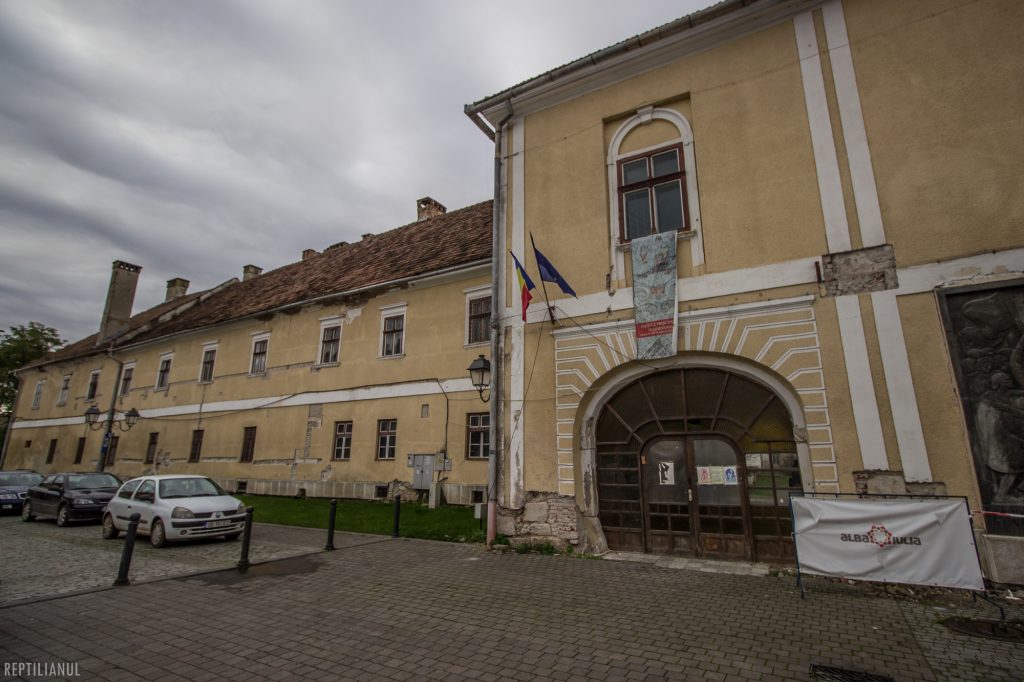
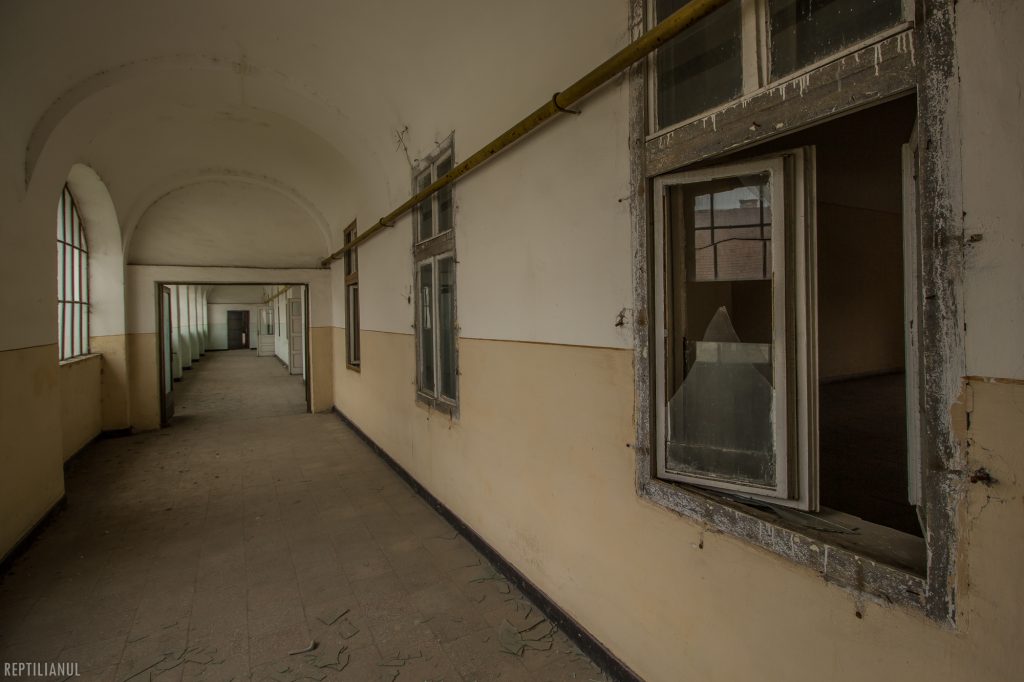
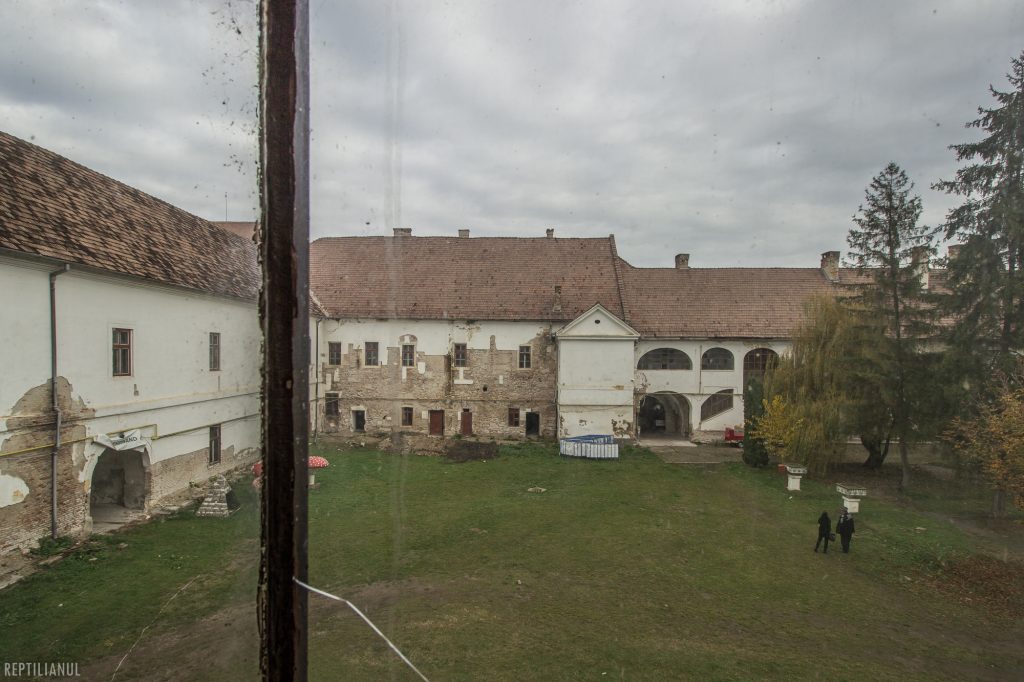
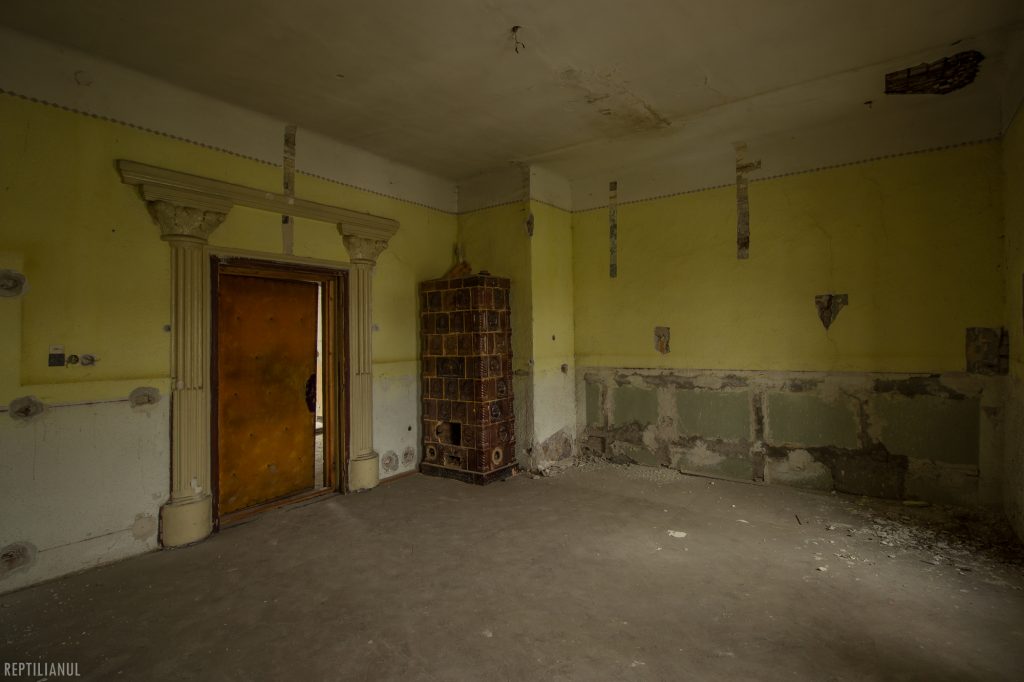
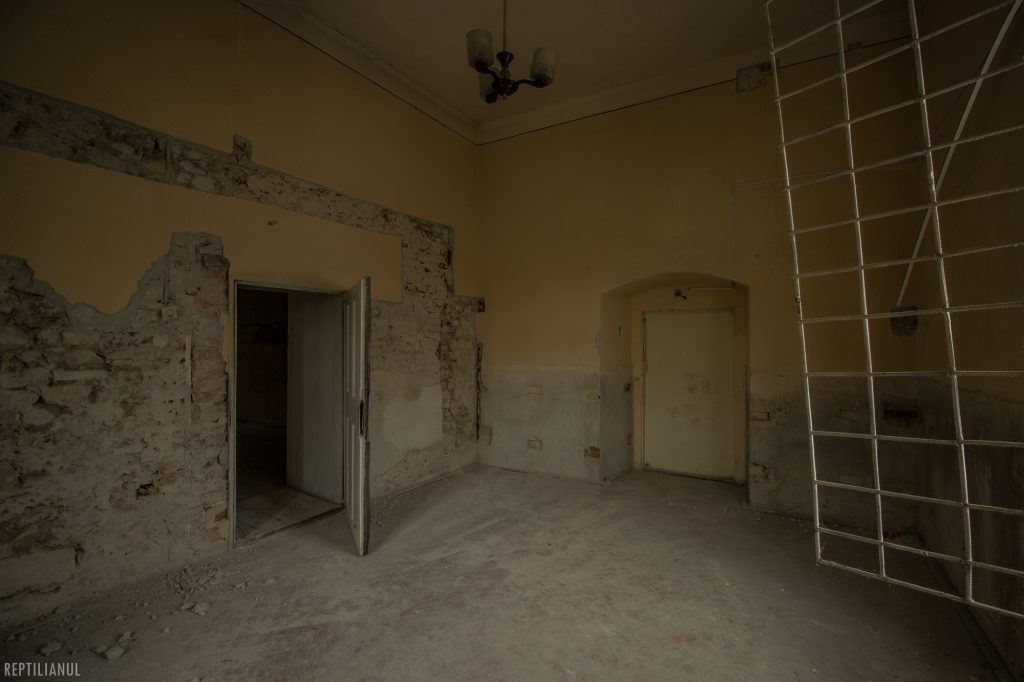
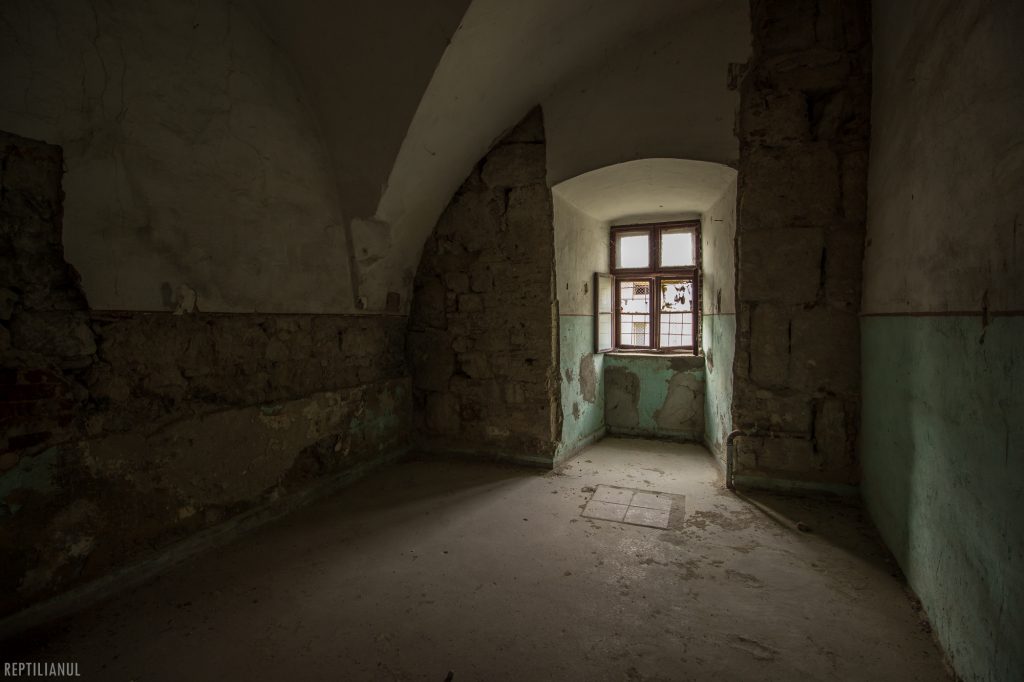
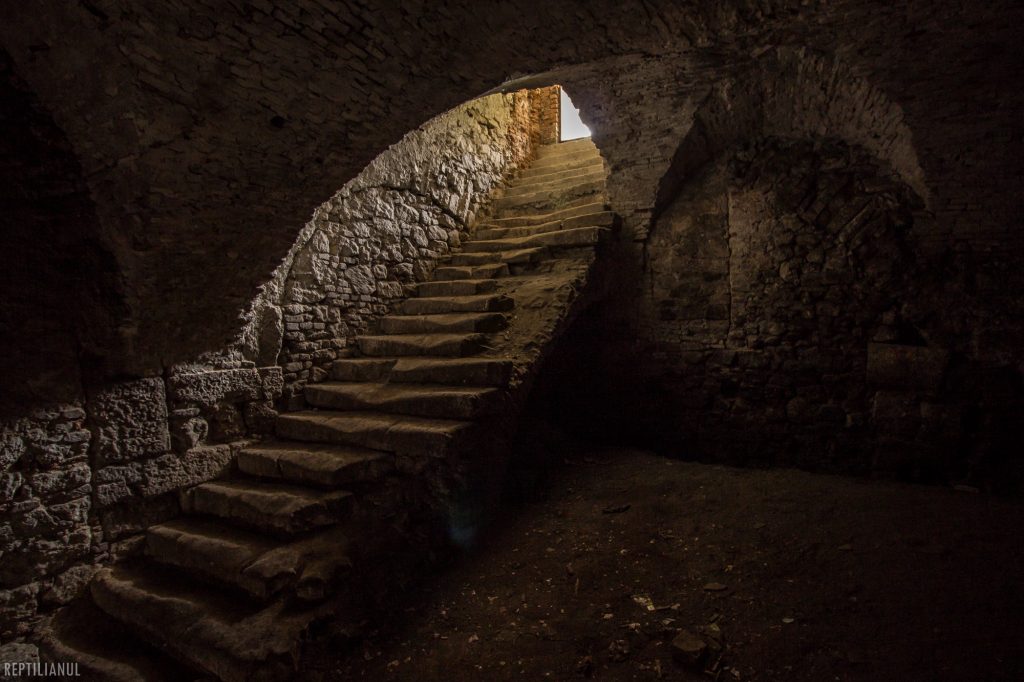
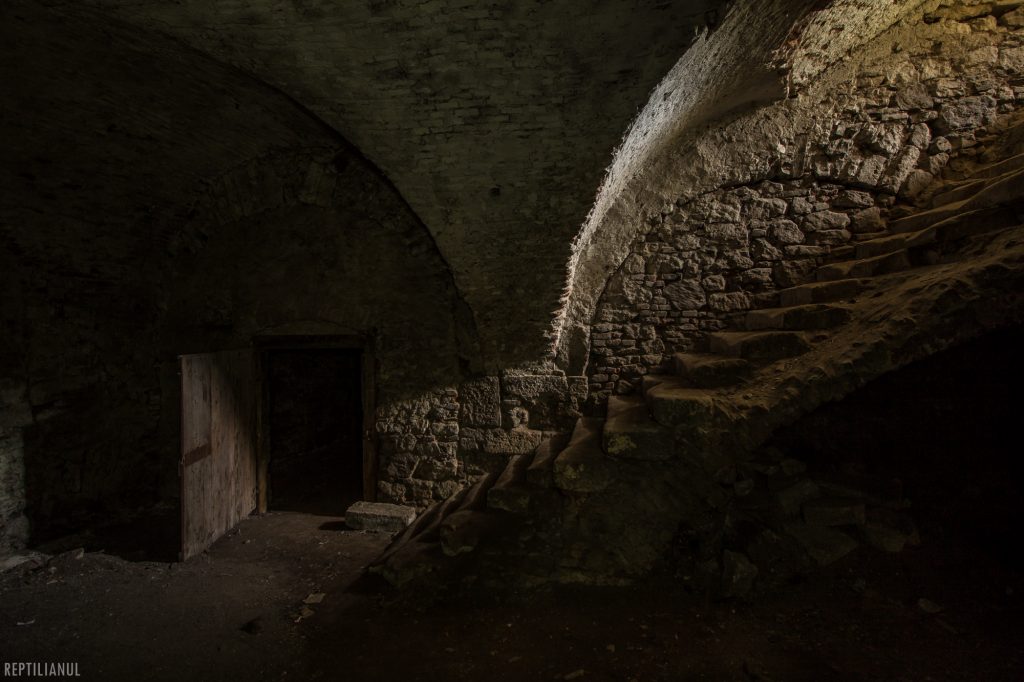
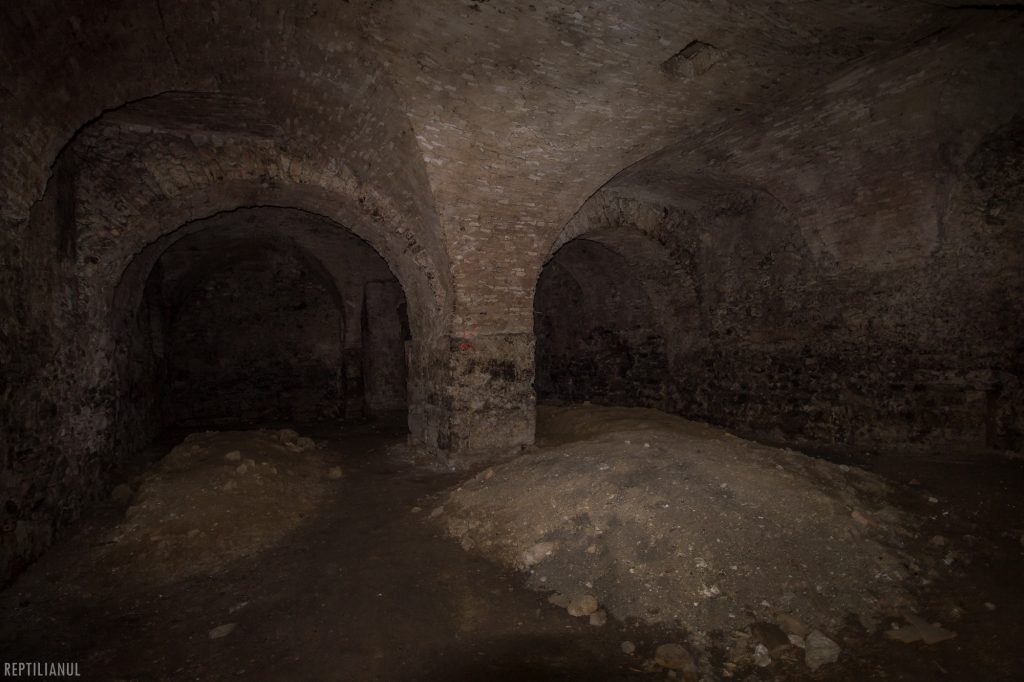
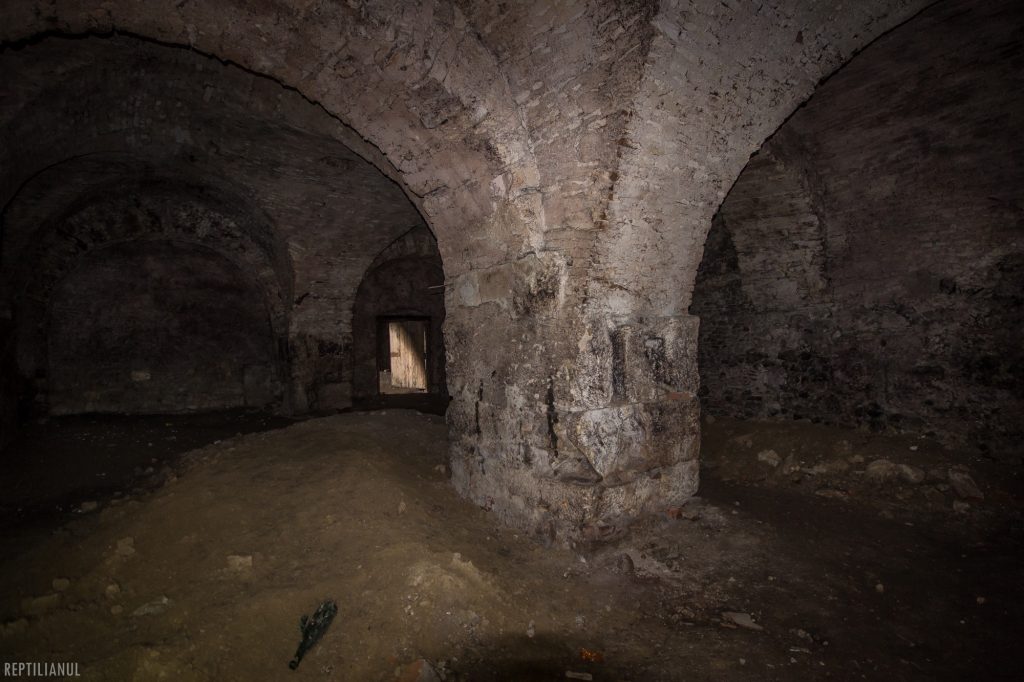
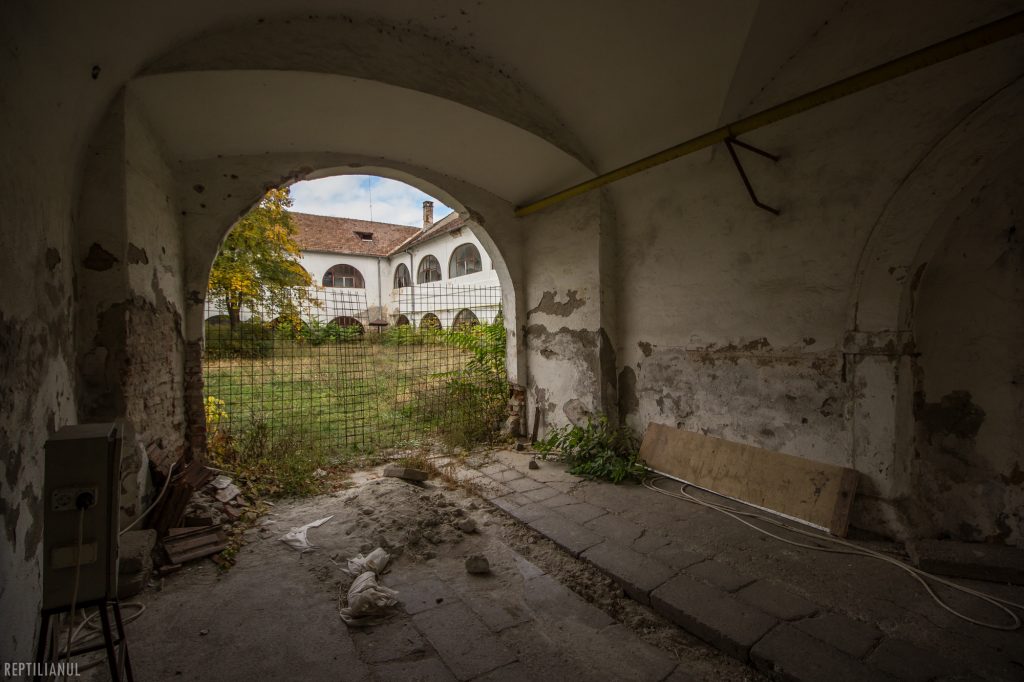
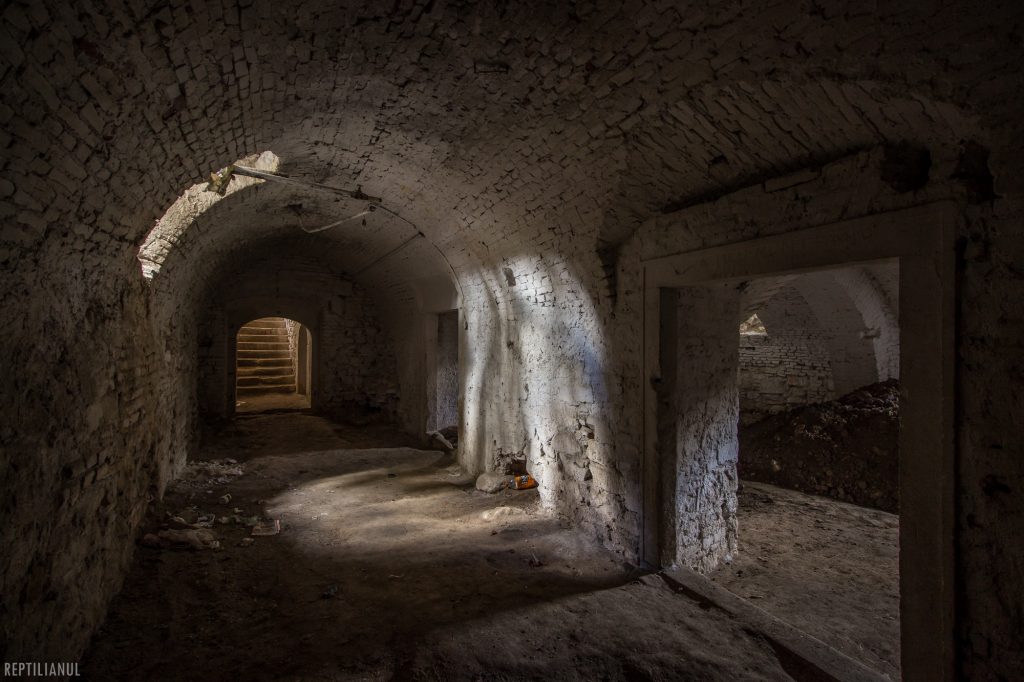
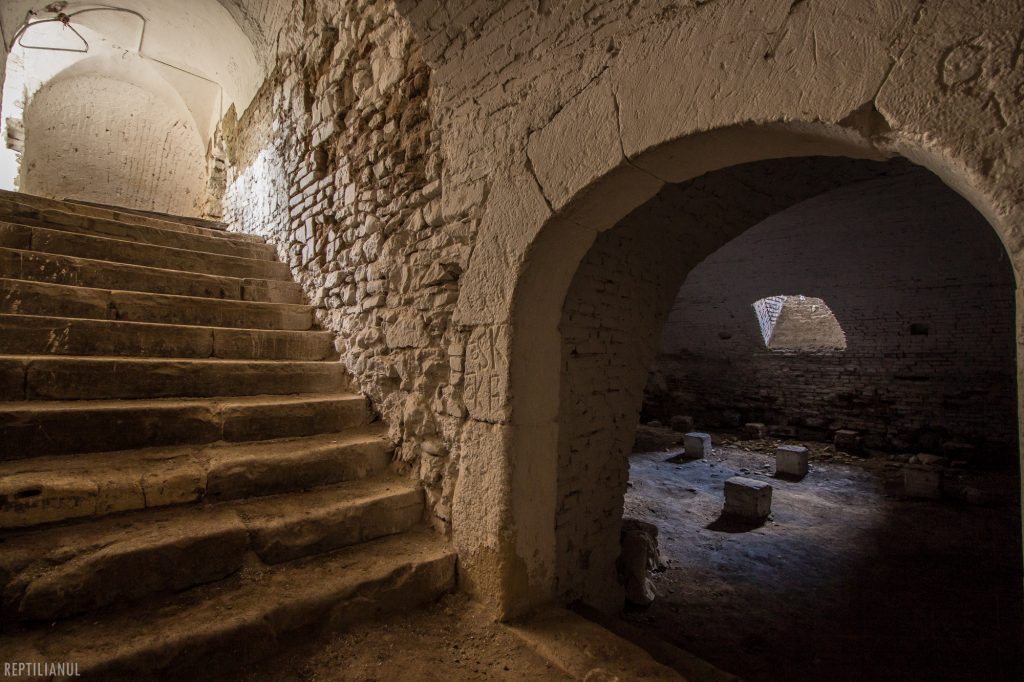
The Palace of the Princes remains one of the few, if not the only, unrestored category A historical monuments within the bastioned fortress of Alba Carolina. Constructed in the 15th century, the palace originally served as the residence for the Princes of Transylvania. Over the following centuries, it underwent multiple modifications and expansions, particularly in the 16th and 17th centuries, adapting to the shifting political landscape of the region.
A Historical and Architectural Masterpiece
Initially, the building functioned as the residence of the episcopal chapter, where official documents were drafted and authenticated. By the 16th century, however, it had transitioned into a princely residence. One of its most notable occupants was Michael the Brave (Mihai Viteazul), who used the palace as his residence for 11 months in 1599 and 1600 during his brief unification of Wallachia, Transylvania, and Moldavia.
The palace endured significant damage during the great invasions of the mid-17th century, particularly those led by the Ottoman Turks and the Tatars in 1658 and 1662. Despite these devastations, the structure was repurposed after the Habsburg conquest of Transylvania, when it was converted into a military barracks. This function persisted for nearly three centuries, cementing its role in the military history of the region.
From Princely Residence to Military Stronghold
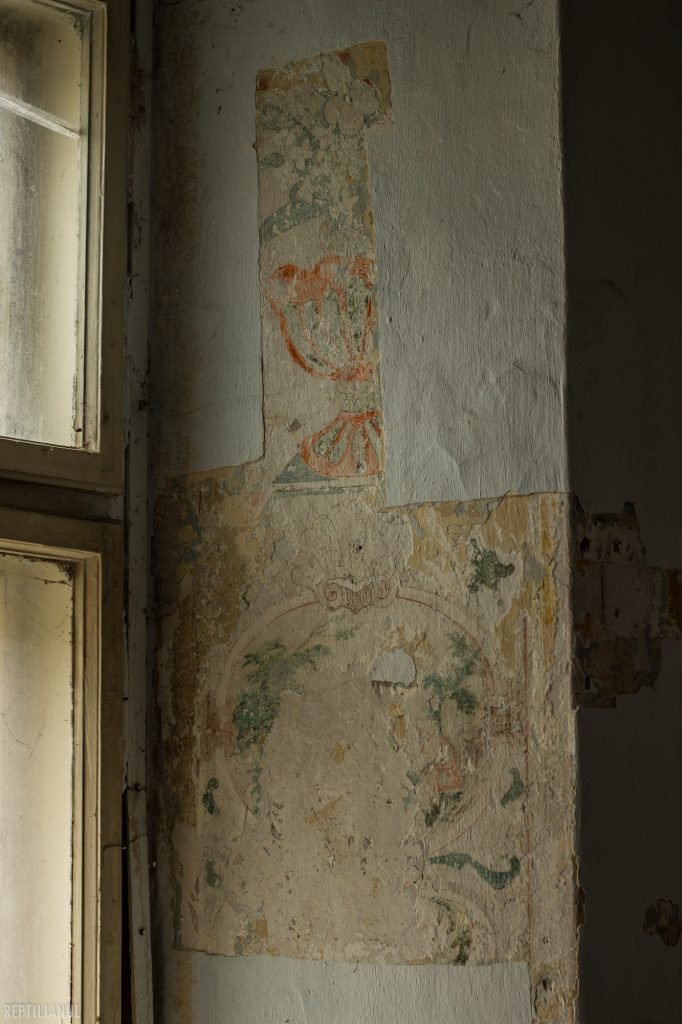
Throughout the 17th century, the palace housed the Austrian garrison, serving as both an arsenal and an artillery barracks. Following the unification of Transylvania with Romania in 1918, the building was assigned to the Command of the 21st Infantry Regiment. Despite its transition into a military stronghold, historical records from foreign chronicles describe the palace as a luxurious edifice adorned with frescoes and marble staircases, a testament to its former grandeur.
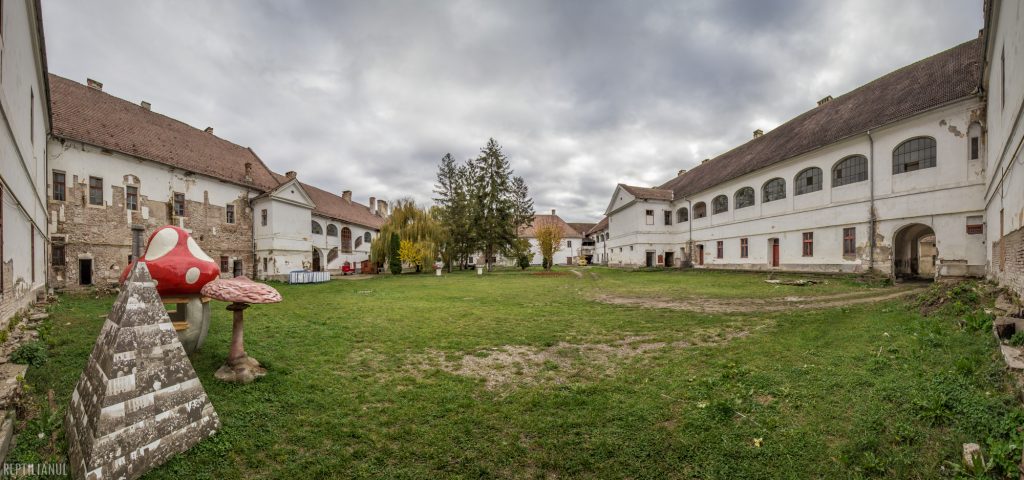
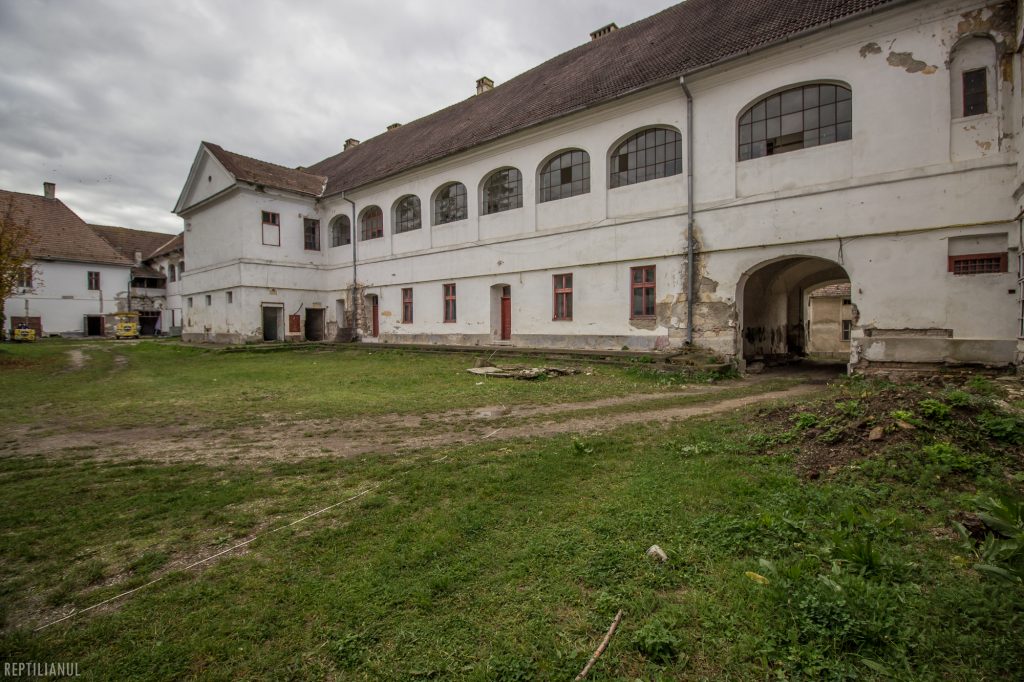
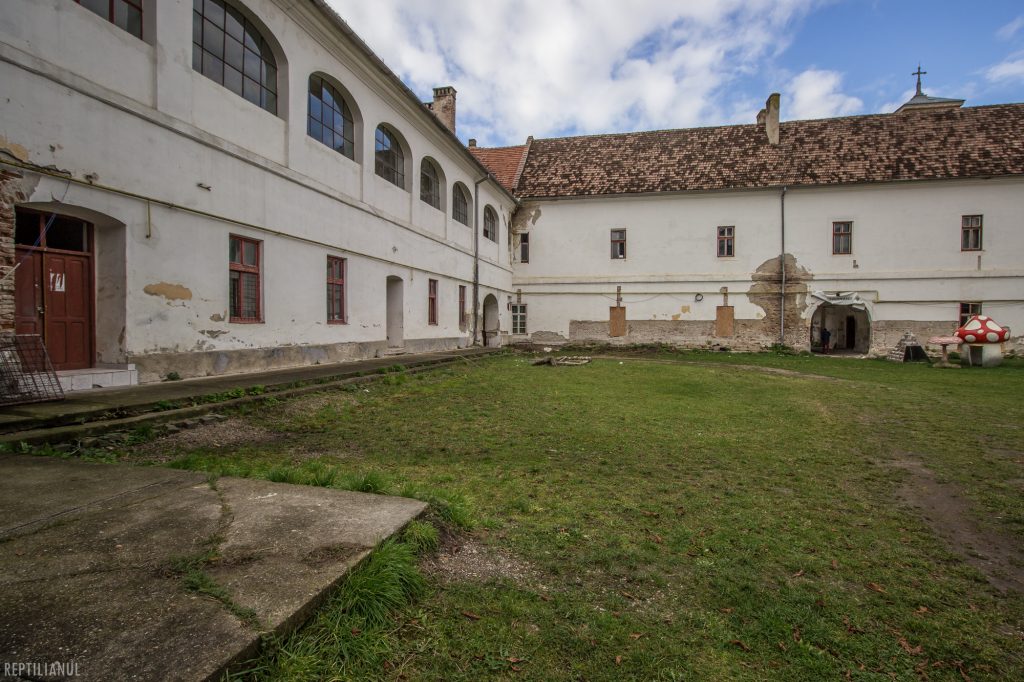
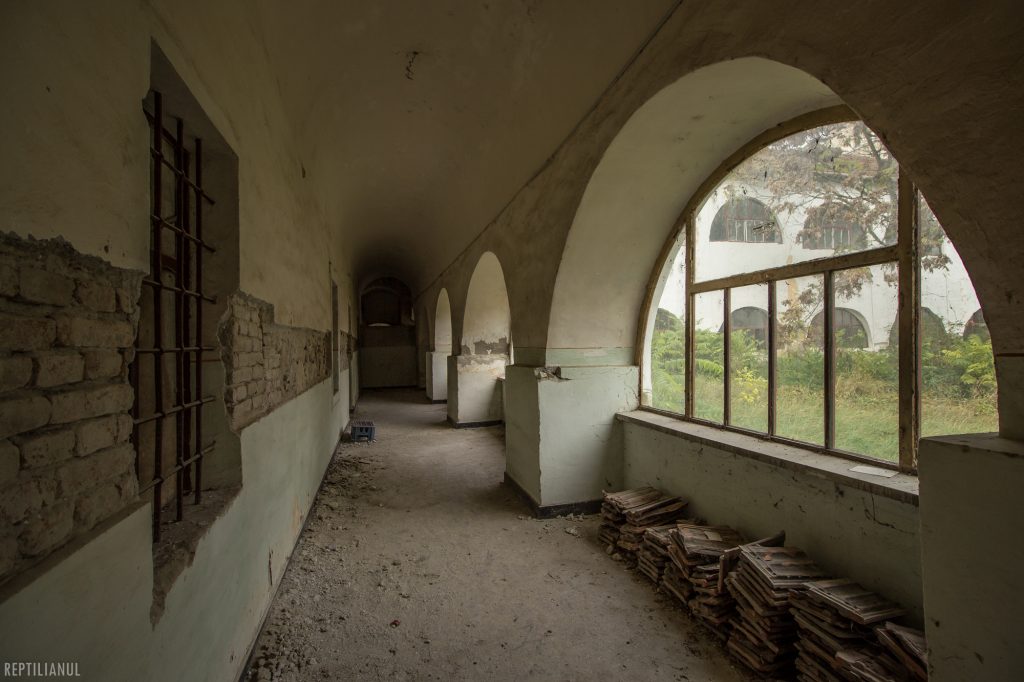
Architecturally, the Palace of the Princes is a remarkable fusion of Gothic, Renaissance, and Baroque styles, reflecting the evolving artistic and structural influences of its time. The buildings are arranged around two square courtyards, emphasizing both functionality and aesthetic appeal. The palace is officially listed as a historical monument in Alba County under the code AB-II-m-A-00133, highlighting its cultural and historical significance.
A Monument in Need of Restoration
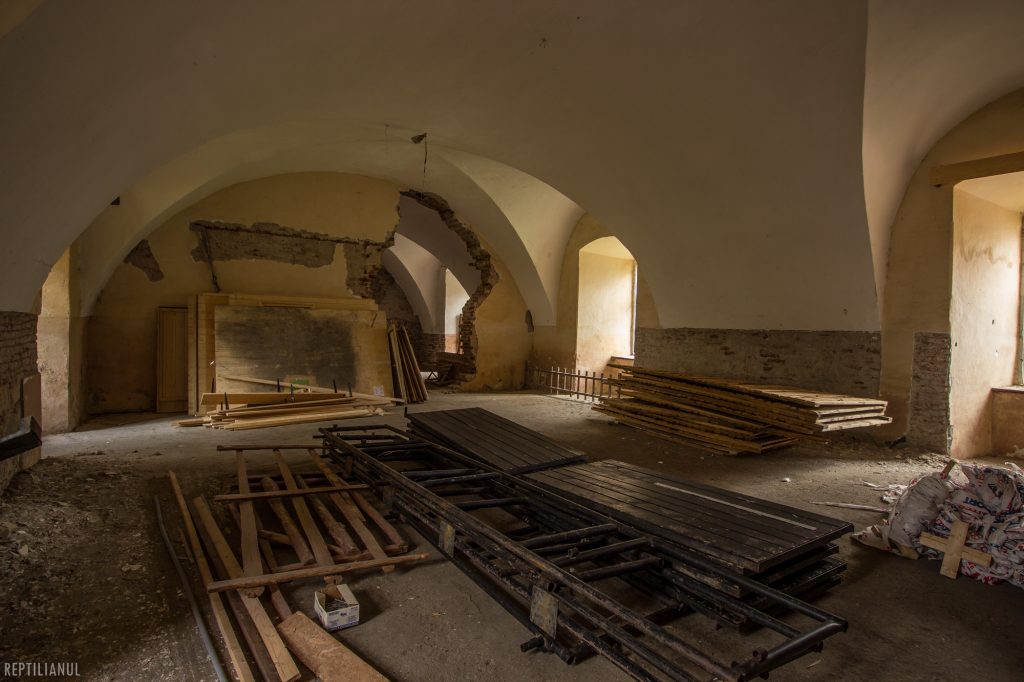
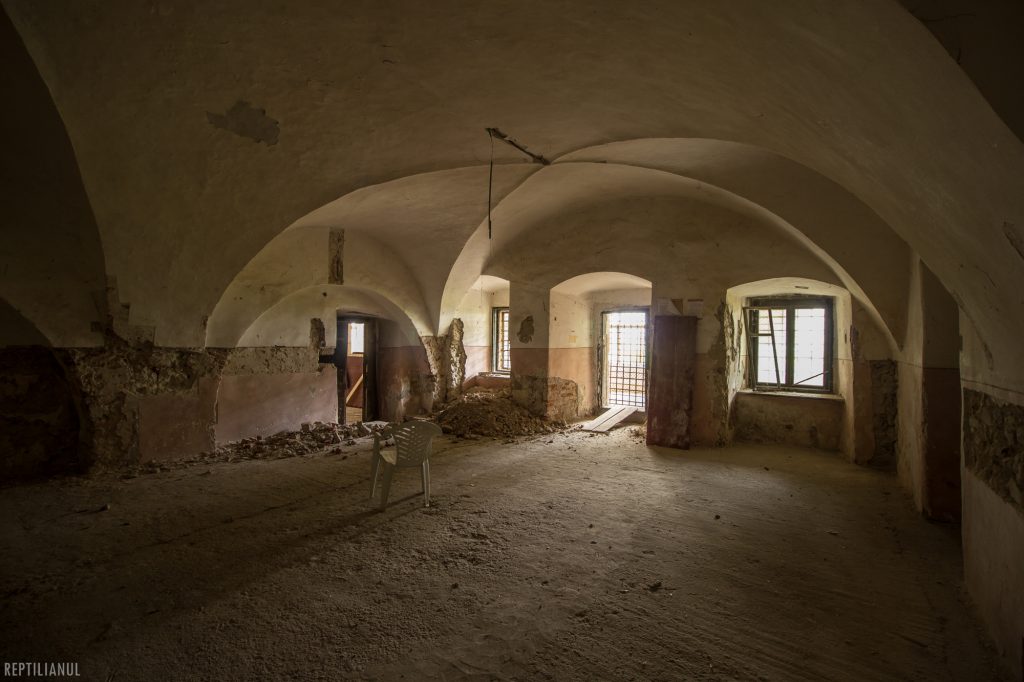
Despite its rich history and architectural value, the Palace of the Princes remains in a state of neglect, awaiting restoration. Unlike many of the other structures within Alba Carolina, which have been revitalized in recent years, this once-magnificent residence stands as a reminder of a bygone era, in urgent need of preservation efforts. The lack of restoration work threatens not only its structural integrity but also its potential as a major cultural and tourist attraction.
As discussions around historical conservation continue, the fate of the Palace of the Princes remains uncertain. However, its legacy as a witness to centuries of Transylvanian history remains undeniable. Whether as a princely seat, a military hub, or an architectural marvel, the palace tells a story that deserves to be remembered, preserved, and shared with future generations.
Photos & text: Alex Iacob